In this comprehensive guide, we’ll walk you through practical strategies to help you succeed in job interviews and stand out from other candidates.
In 2026, recruiters are looking beyond qualifications and experience. They pay close attention to how candidates communicate, approach challenges, demonstrate problem-solving skills, and present themselves professionally. While technical expertise remains important, confidence, clarity, and preparation often make the difference between getting shortlisted and getting hired.
The good news? Interviewing is a skill that can be learned and improved. With the right preparation and consistent practice, you can significantly increase your chances of making a strong impression.
Let’s get started.
Why Interview Preparation Matters

Most interviews go beyond qualifications listed on a CV.
Recruiters are trying to understand how you communicate, how you think under pressure, and whether you can fit into the company’s environment. They are also assessing professionalism, adaptability, and problem-solving ability.
Even small details shape first impressions. The way you answer questions, explain past experiences, and engage in conversation all influence hiring decisions.
A candidate may have strong technical skills and still struggle during interviews because their communication feels unclear or disconnected.
Why Qualified Candidates Still Fail Interviews
From what we have seen, poor preparation remains one of the biggest reasons candidates underperform.
Some candidates give overly generic answers. Others fail to research the company properly or struggle to explain their experience confidently. Nervousness can also affect body language, tone, and clarity during conversations.
Interview success often comes down to preparation and meeting the opportunity.
How to Prepare for a Job Interview

- Research the Company Before the Interview
Company research helps candidates give more thoughtful and relevant answers.
Before any interview, you should understand what the business does, the industry it operates in, and the kind of problems it solves. Reviewing the company website, recent news, and social media pages can also provide useful context.
This preparation improves confidence because you walk into the interview already familiar with the company’s direction and priorities.
It also helps you answer questions like:
- “Why do you want to work here?”
- “What do you know about our company?”
- “Why are you interested in this role?”
Recruiters notice when candidates have taken time to understand the organisation.
- Understand the Job Description
Many interview questions come directly from the responsibilities listed in the job description.
Pay close attention to:
- required skills
- technical tools
- leadership expectations
- communication requirements
- industry knowledge
Once you understand what the employer values most, prepare examples from your own experience that connect directly to those areas.
If teamwork is heavily mentioned in the role, prepare examples showing collaboration. If the position focuses on customer relationships, prepare stories around communication, problem-solving, or client management.
Interview preparation becomes easier when you can connect your experience clearly to the role.
Common Interview Questions and How to Answer Them

- Tell Me About Yourself
This is usually the first question in many interviews, and it shapes the tone for everything that follows.
A simple structure works best:
- where you are now
- relevant past experience
- What are you looking for next
Keep the answer professional and focused on your career journey rather than personal life details.
For example:
“I currently work as a Customer Success Associate with three years of experience managing client relationships and improving customer retention. Before that, I worked in sales support, where I developed strong communication and problem-solving skills. I’m now looking for an opportunity where I can contribute more strategically while continuing to grow within a customer-focused environment.”
Clear and concise answers usually perform better than long speeches.
- Why Do You Want to Work Here?
Generic answers hurt candidates here.
Saying:
“I just want a new challenge.”
does not create much impact.
A stronger response connects your interests to the company itself. Mentioning the company’s industry, growth, culture, products, or reputation shows genuine interest.
Recruiters want to see that you applied intentionally.
- What Are Your Strengths?
Choose strengths that relate directly to the role and support them with examples.
Anyone can say they are organised or hardworking. What matters is showing evidence.
For example:
“One of my strengths is communication. In my current role, I regularly manage escalated customer issues and help coordinate between internal teams to resolve problems quickly.”
Specific examples make answers more believable.
- What Is Your Biggest Weakness?
Interviewers are usually looking for self-awareness here.
Avoid answers that sound fake or overly rehearsed. Choose a genuine area of improvement and explain how you are actively working on it.
For example:
“Earlier in my career, I struggled with delegating tasks because I preferred handling everything myself. Over time, I learned that effective delegation improves efficiency and team collaboration.”
That shows growth and reflection.
- Why Should We Hire You?
This question allows candidates to summarise their value clearly.
Focus on:
- relevant experience
- measurable results
- industry knowledge
- communication skills
- ability to solve problems
The goal is to explain why your background aligns with the company’s needs.
- Describe a Challenge You Faced
Behavioral interview questions are common in modern hiring processes.
The STAR method helps structure these responses clearly:
- Situation
- Task
- Action
- Result
For example:
“In my previous role, our support team experienced a spike in customer complaints after a product update. I was responsible for helping improve response times and communication. I introduced a new escalation tracking system and coordinated daily updates between support and engineering teams. Within one month, customer response times improved by 35%.”
Structured answers feel more organised and easier to follow.
Interview Preparation Tips That Improve Confidence

- Practice Your Responses Out Loud
A lot of candidates prepare mentally, but never practice speaking their answers.
Saying responses out loud helps improve:
- clarity
- pacing
- confidence
- sentence structure
Mock interviews can also help reduce nervousness. Recording yourself during practice sessions allows you to identify repetitive phrases, filler words, or unclear explanations.
Preparation creates familiarity, and familiarity usually improves confidence.
- Prepare Questions for the Interviewer
Interviews are conversations, not interrogations.
Asking thoughtful questions shows curiosity and engagement.
Some strong examples include:
- “What does success look like in this role?”
- “What are the team’s biggest priorities right now?”
- “What qualities help employees succeed here?”
Questions like these help candidates gather useful information while leaving a stronger impression.
- Dress Professionally
Appearance still influences first impressions.
The goal is not overdressing. The goal is to look professional and appropriate for the company environment.
Researching the company culture can help guide your choice of outfit.
- Arrive Early or Log In Early
For physical interviews, arriving 10 to 15 minutes early helps reduce stress and demonstrates professionalism.
For virtual interviews, logging in early gives you time to test your setup before the interview starts.
Rushing into interviews at the last minute often increases anxiety unnecessarily.
- Prepare Your Documents
Having everything ready beforehand creates a smoother experience.
Depending on the role, this may include:
- printed CV copies
- portfolio samples
- certifications
- notebook and pen
For virtual interviews, keep important files easily accessible on your device.
Virtual Interview Tips
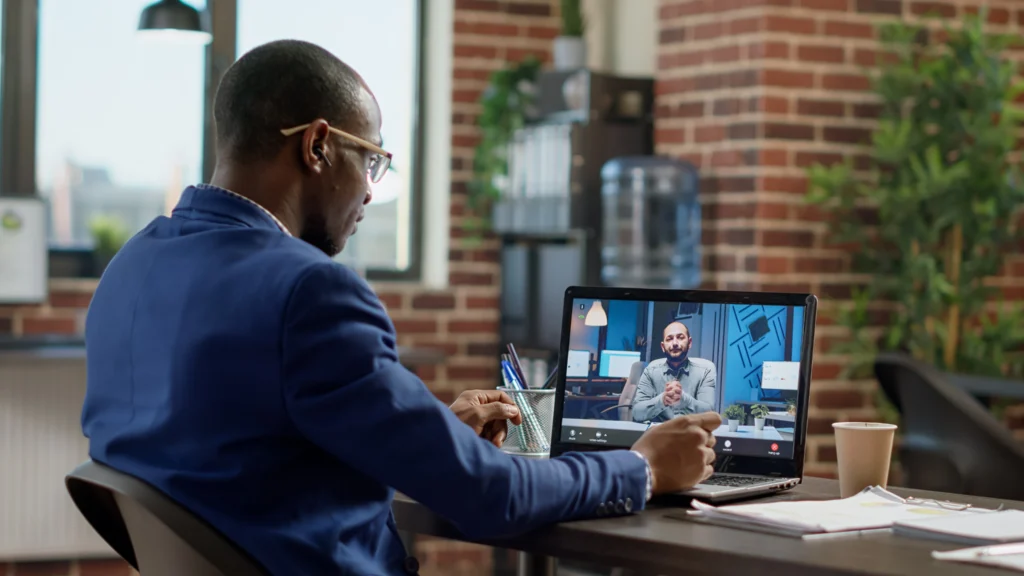
Virtual interviews are now standard across many industries, especially for remote and hybrid roles.
Candidates should treat virtual interviews with the same level of professionalism as physical interviews.
- Test Your Technology
Technical issues create unnecessary stress.
Before the interview:
- Test your internet connection
- Check your microphone
- Confirm camera quality
- Charge your device fully
Simple preparation can prevent avoidable disruptions.
- Choose a Professional Background
Your environment influences how professional the interview feels.
A quiet, clean, and distraction-free background works best. Good lighting also improves visibility and communication during virtual conversations.
- Maintain Eye Contact
Looking directly into the camera occasionally creates better engagement during online interviews.
Many candidates spend the entire conversation looking at themselves on screen instead.
- Minimize Distractions
Notifications, background noise, and interruptions can break concentration quickly.
Close unnecessary tabs, silence notifications, and inform people around you ahead of time if possible.
Body Language Tips During Interviews
Communication is not only verbal.
Posture, facial expressions, eye contact, and listening habits all shape how candidates are perceived.
Good body language helps reinforce confidence and professionalism.
Maintain an upright posture, avoid distracting habits like tapping or excessive fidgeting, and show active listening during conversations.
Simple gestures like nodding naturally while listening can improve engagement significantly.
Common Interview Mistakes to Avoid
Some interview mistakes continue appearing across all industries and experience levels.
Arriving late creates a poor first impression immediately. Speaking negatively about previous employers can also raise concerns about professionalism and attitude.
Some candidates rely too heavily on memorised answers, which can make conversations feel robotic and disconnected.
Others struggle because they show little enthusiasm for the role or fail to ask questions at the end of the interview.
Communication issues also play a major role. Long-winded answers, unclear explanations, and a lack of structure can make a strong experience harder to understand.
Following up after interviews matters too. A simple thank-you email can reinforce professionalism and interest.
How to Answer Behavioral Interview Questions
Behavioral questions are designed to understand how candidates handled real situations in the past.
Questions often sound like:
- “Tell me about a time you solved a difficult problem.”
- “Describe a conflict you handled at work.”
- “Give an example of a time you worked under pressure.”
The STAR method helps keep answers structured and focused.
Start by explaining the situation briefly. Then describe the task or challenge involved. After that, explain the actions you took and finish with the result or outcome.
Candidates who structure answers clearly usually communicate more confidently during interviews.
After the Interview: What Candidates Should Do Next
Interview preparation does not completely end when the meeting finishes.
Sending a short thank-you email within 24 hours helps reinforce professionalism and appreciation for the opportunity.
It is also useful to reflect on your performance afterward. Think about which answers felt strong and which areas could improve before future interviews.
If the process continues, staying prepared for possible next stages helps maintain confidence and momentum.
Interview Preparation Checklist
Before your next interview, ask yourself:
- Have I researched the company?
- Do I understand the job description clearly?
- Have I practiced common interview questions?
- Are my documents ready?
- Have I planned my outfit?
- Have I tested my technology?
- Do I have questions prepared for the interviewer?