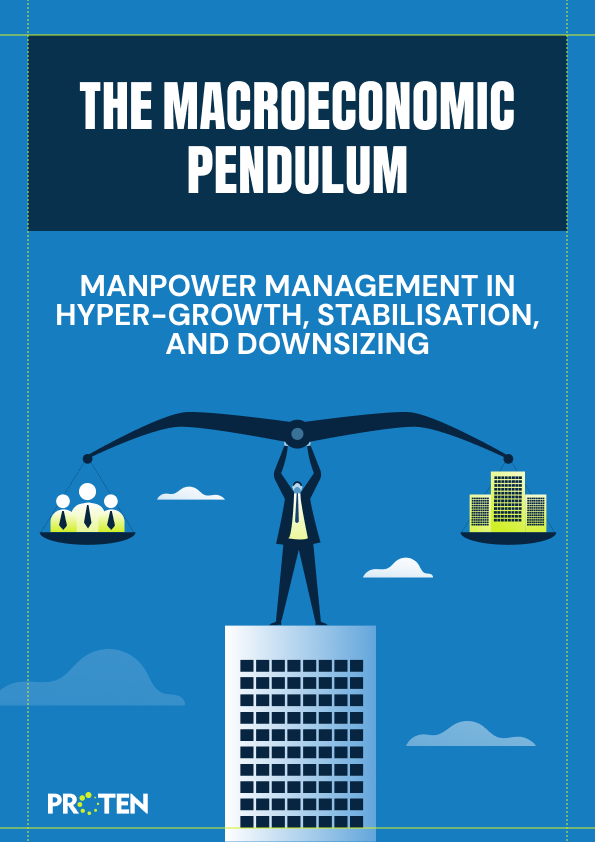
The Tech Unicorn Surge vs The Mature Steady-State vs The Lean Restructuring
The macroeconomic cycle is not a background event; it is the primary determinant of which leadership competencies are rewarded and which become liabilities; the continuous, inevitable swing an organisation experiences between uncontrolled expansion, operational equilibrium, and defensive retrenchment. When market conditions shift, a rigid leadership style becomes an existential risk.
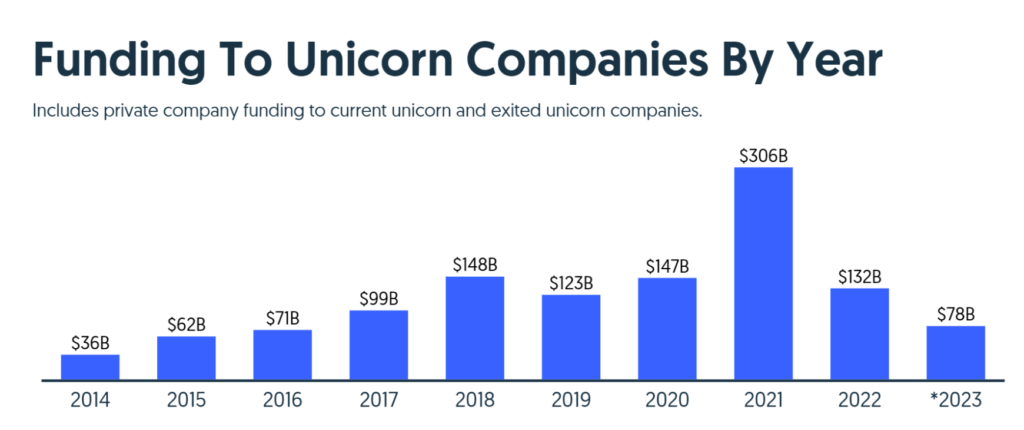
Source: Crunchbase
Traditional corporate planning often treats business growth as a linear progression. In reality, macroeconomic volatility exposes organisations to sudden, non-linear shifts in operational velocity.
When capital is abundant, and market capture is mandatory, leadership must master high-volume talent absorption. However, when the market contracts, those exact scaling behaviours can lead to catastrophic burn rates and structural collapse. This analysis explains the variables that determine manpower management under materially different economic conditions.
Hyper-Growth and the Leadership Strain of Scale
Unicorns typically demonstrate exceptional growth rates, often doubling or tripling revenue year over year during their scaling phase. The hyper-growth phase is intoxicating and destabilising in equal measure. Venture capital flows freely, product-market fit is confirmed, and the imperative shifts from validation to scale. Headcount, the most complex lever in the organisation, is expected to keep pace with revenue ambitions. The result is an environment in which the management challenge is not resource scarcity, but organisational coherence under relentless expansion pressure.
The Core Leadership Challenges
- Rapid Onboarding Without Cultural Dilution: When an organisation’s growth exceeds organisational assimilation capacity, culture weakens, and the mechanisms of cultural transmission, mentoring, learning and managerial modelling become overwhelmed.
- Role Overlap and Organisational Chaos: Speed of hiring outpaces the organisation design function. Teams expand faster than governance structures. Job descriptions become ambiguous, accountability lines blur, managers compete for resources.
- Mid-level Leadership Vulnerability: Many high-growth firms rapidly promote technically skilled employees into management roles without leadership readiness. The consequence is a layer of inexperienced managers unable to resolve conflict, coach employees, prioritise strategically, and manage performance consistently.
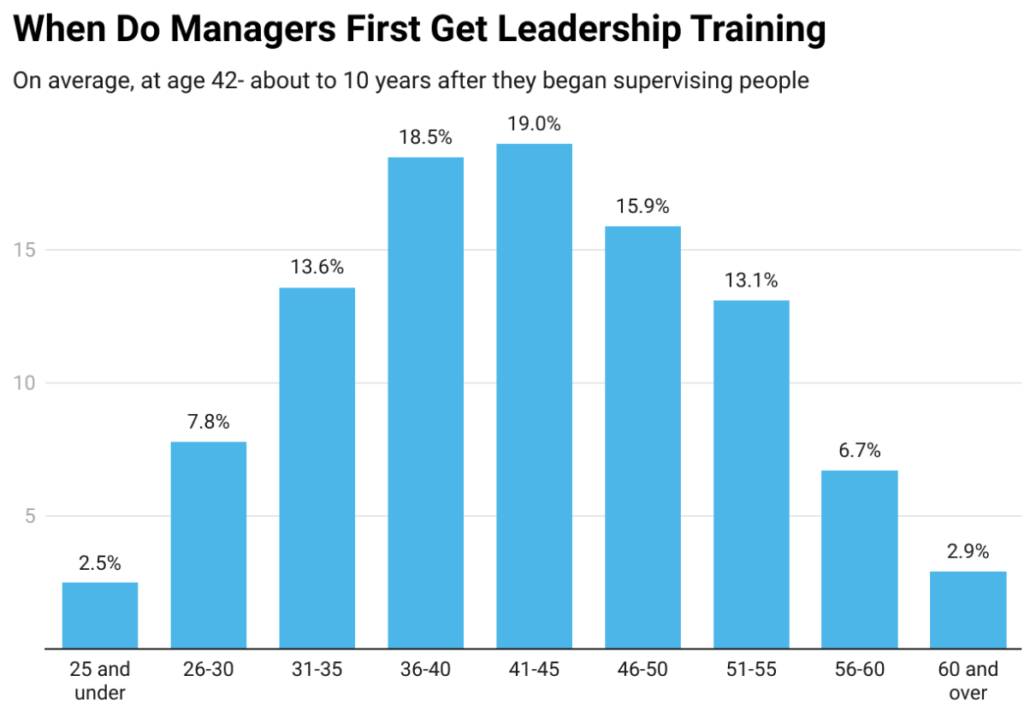
Source: ElectroIQ
Manpower strategy for Organisations in the Hyper-Growth Phase
- Build scalable recruitment systems
- Formalise values and onboarding
- High-volume talent acquisition judgment
- Accelerate leadership development
- Clarify accountability structures
The Mature Steady-State (Management in a Stable but Plateaued Organisation)
The steady-state organisation has achieved something many never do: structural stability. The manpower challenge here is distinct: it is quieter, slower, and arguably harder to solve than either extreme. LinkedIn’s 2024 Workplace Learning Report found that 94% of employees would stay at a company longer if it invested in their career development. In a stable organisation where headcount growth is flat and promotion opportunities are structurally limited, the absence of visible advancement becomes the primary driver of attrition. Revenue is predictable, processes are documented, and the organisational chart is settled. Without the natural energy of expansion, leadership must find other ways to keep talent engaged, growing, and retained, as the organisation risks becoming operationally stagnant.
The Core Management Challenges
- Internal mobility as the primary growth lever: In the absence of new roles created by expansion, talent development must happen laterally. This demands a different mindset from both leaders and employees as career ladders flatten, promotion cycles lengthen, and employees perceive fewer growth opportunities.
- Upskilling as a retention strategy: Eightfold reports that 68% of employees see measurable performance gains from upskilling, and 59% link it to improved retention. The stable-state organisation that builds a genuine learning culture converts what might otherwise be a constraint (no promotions, no rapid growth) into a differentiator.
- Quiet Disengagement and Quiet Quitting: Stable environments are fertile ground for quiet quitting, the phenomenon wherein employees remain employed but psychologically disengage. A fast-changing world requires heightened attention to employee engagement and retention in the context of wider skills scarcity and quiet quitting, where significant numbers of employees stay in their roles but disengage and do only what is required of them, nothing more.
- Skills Obsolescence: Stable organisations are particularly vulnerable to capability decay. Employees operating within unchanged systems for extended periods may struggle to adapt to: AI transformation, automation, digital operating models, data-driven decision systems.
Manpower strategy for the Mature Steady-State
- Internal mobility programme design
- Coaching & sponsorship orientation
- Redefine career progression
- Engagement without extrinsic reward
- Skills gap analysis & upskilling roadmaps
- Succession depth management
The Lean Restructuring (Manpower Reduction)
The manpower dynamics of a Reduction in Force extend well beyond the people who leave. According to research by Brockner et al., 20% average productivity decline in the survivor workforce in the first 6 months post-RIF (Reduction in Force).
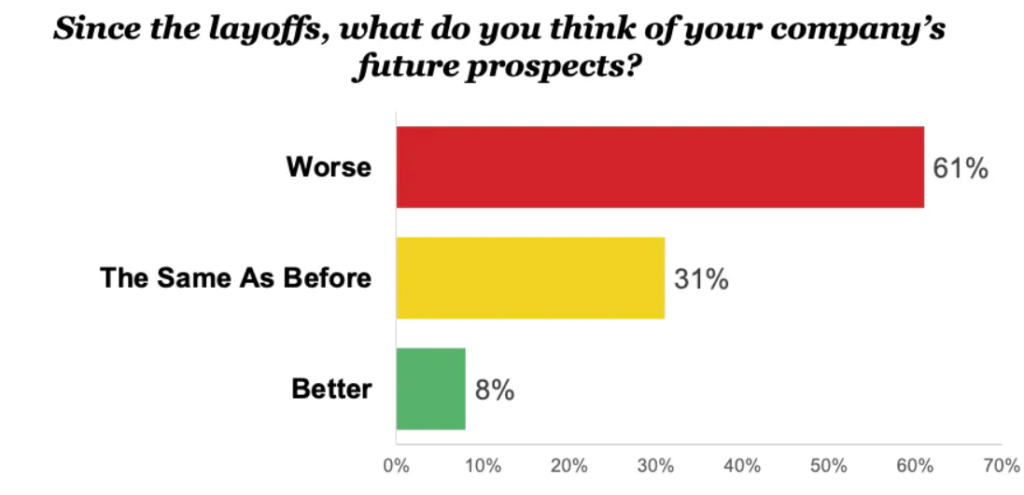
Source: LeadershipIQ
The Core Leadership Challenges
- Compassionate downsizing: Reduction in force (RIF) decisions are often operationally necessary; however, poorly executed downsizing can permanently damage organisational trust. Research by Brockner on “layoff survivor sickness” demonstrates that witnesses to a poorly managed layoff (those who remain) suffer measurable declines in organisational commitment, trust, and productivity. The manner of the exit is as consequential as the decision to exit.
- Maintaining survivor morale and productivity: According to ScienceDirect, downsizing consistently leads to reduced morale, disengagement, and weakened organisational identification among retained employees. The employees are asked to absorb additional workload, with fewer colleagues, in an environment of demonstrated insecurity. Without deliberate, sustained leadership attention, regular communication, role clarity, recognition, and honest answers to the questions, the productivity curve does not recover.
- Doing more with less: After restructuring, the same outputs are expected from a smaller workforce, leading to cognitive overload, burnout, decision fatigue and declining innovation, which could trigger a second, voluntary wave of attrition within 12–18 months.
Manpower strategy for The Lean Restructuring
- Radical transparency & honest communication
- Compassion under operational pressure
- Organisational redesign (not just redistribution)
- Survivor engagement programme design
- Personal accountability and visible ownership
- Focus on strategic capability retention
The Macroeconomic Pendulum: Shifting Management Priorities
Economic cycles constantly redefine effective manpower management:
- Hyper-growth demands rapid scaling.
- Stability requires operational renewal.
- Downturns test systemic resilience.
Long-term enterprise survival belongs neither to the fastest growers nor the deepest cutters. It belongs to organisations capable of dynamically recalibrating their manpower philosophy, operational discipline, and cultural stewardship to match changing market realities.
Ultimately, workforce management is a corporate mirror reflecting exactly how a leadership team behaves under conditions of abundance, equilibrium, or scarcity.
How Proten International Can Help
At Proten International, we help organisations build agile manpower strategies that help organisations thrive through hyper-growth, stabilisation, and restructuring. From scaling teams to managing workforce transitions, we help turn manpower management into a strategic advantage. Contact us to start the conversation.