Executive leadership transitions are a constant feature of corporate life, yet they remain one of the most underestimated sources of organisational disruption. An organisation’s stability is intricately tied to the perceived predictability and legitimacy of its executive leadership. When a change occurs at the top, it disrupts established dynamics within the enterprise. Employee morale is not merely a soft psychological variable; it serves as a leading economic indicator for operational throughput, agility, and financial performance. According to Korn Ferry, approximately 40% of new senior leaders underperform or leave within 18 months.
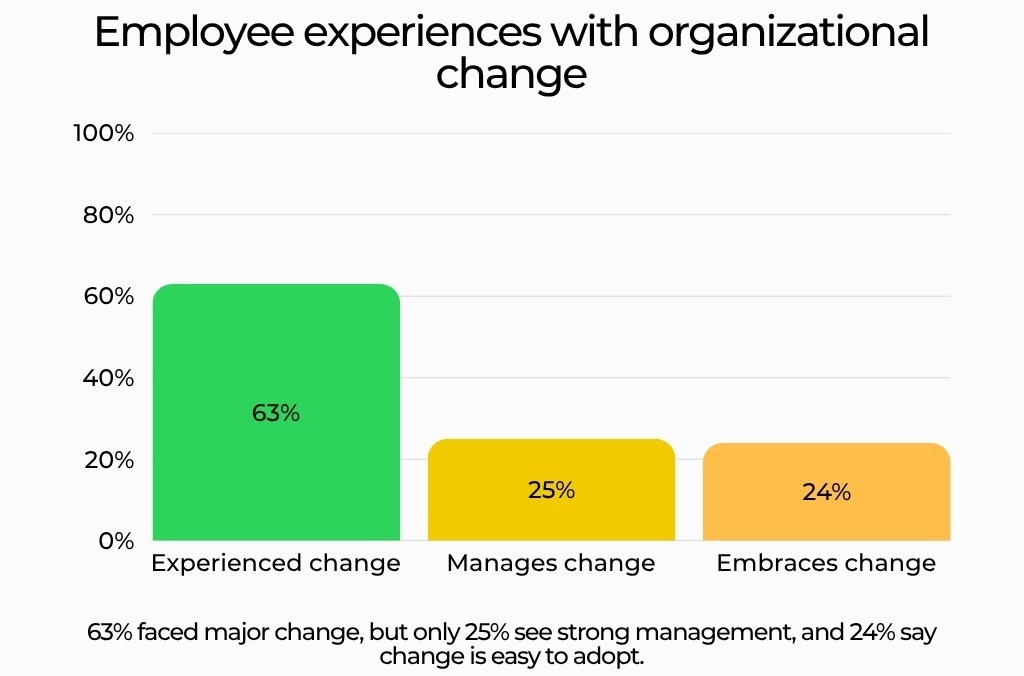
Source: High5test
During transitions, the workforce enters a period of heightened environmental scanning. Employees actively assess the incoming leadership’s strategy, values, and structural intentions. Misalignments or ambiguities during this phase rapidly degrade organisational trust.
Scenario I:
Strategic Continuity (Best-Case Scenario)
The Strategic Continuity model represents an optimally orchestrated succession prototype: a well-planned leadership transition, underpinned by a clear succession strategy and proactive communication. The organisation announces a change with sufficient lead time, introduces the incoming leader through structured forums, and preserves strategic direction throughout. The departing leader participates in a formal handover process that publicly validates the succession and transfers institutional knowledge.
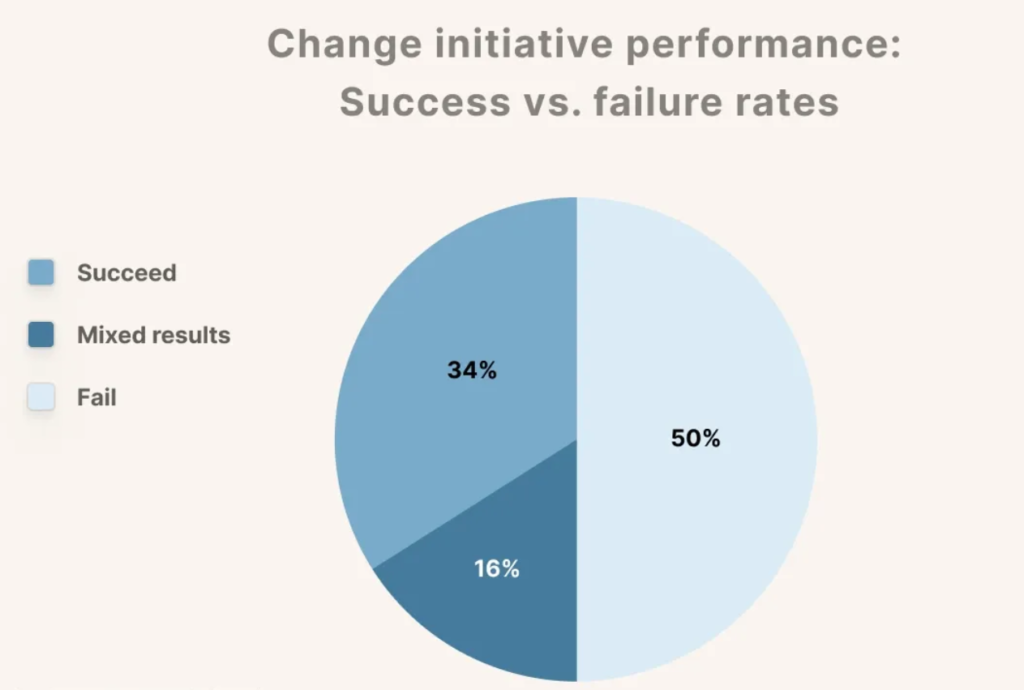
Source: CEB Corporate Leadership Council
Organisational Effects of Strategic Continuity
- Dynamics: The succession strategy is articulated to internal and external stakeholders in advance. The incoming leader participates in a structured and incremental handover.
- Impact on Morale and Trust: Employees prefer stability over uncertainty. The workforce experiences the incoming leader not as an existential or disruptive threat, but as a natural evolution of corporate governance.
- Operational Outcomes: Productivity metrics remain stable or experience a positive slope due to the elimination of uncertainty.
Scenario II:
Disruptive Transformation (Moderate-Risk Scenario)
In the Disruptive Transformation scenario, an externally hired leader is appointed with a mandate to restructure business units, challenge status quo behaviours, optimise operational cost centres, and execute aggressive strategic pivots. The incoming leader is unknown, the strategic direction is uncertain, and the implicit social contracts underpinning everyday effort may feel suddenly in flux.
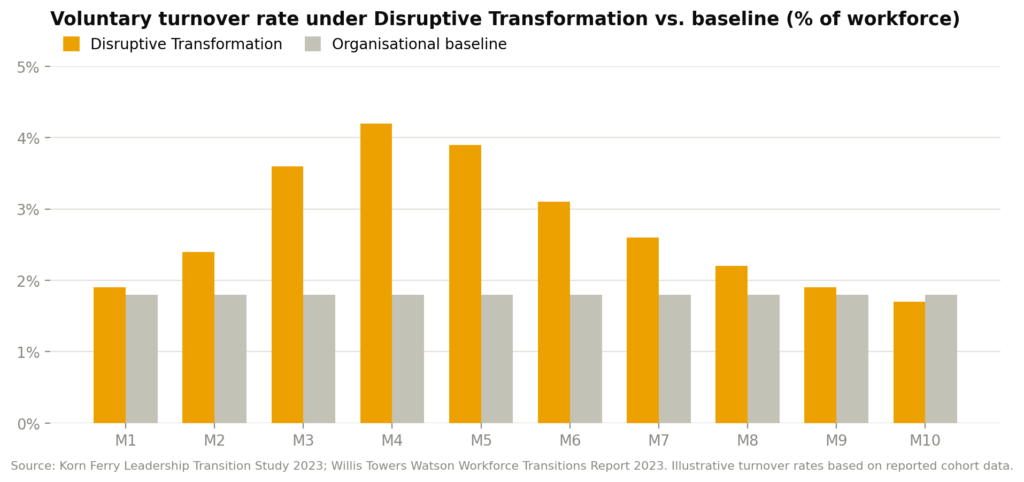
Source: Korn Ferry Leadership Transition Study 2023
Organisational Effects of Disruptive Transformation
- Structural Change and Organisational Reconfiguration: This phase is characterised by accelerated transformation activities, including the restructuring of reporting lines, the redesign of performance metrics, cost-optimisation initiatives, and strategic realignment. The pace of change is typically high, reducing predictability for employees and increasing perceived organisational uncertainty.
- Employee Psychological Response and Trust Dynamics: Employee morale typically follows a disruption pattern, often described as a “J-curve” effect, where engagement initially declines before potential recovery. During this phase, employees experience uncertainty regarding job security, role clarity, and leadership intent. Trust in leadership is temporarily weakened until communication and clarity stabilise expectations.
- Cultural Disruption and Operational Risk Exposure: Rapid transformation can create cultural friction and operational inefficiencies if not properly managed. Key risks include change fatigue, resistance to new leadership, loss of institutional knowledge, and increased absenteeism, all of which can reduce short-term productivity and increase voluntary turnover, particularly among high-performing employees with strong external job opportunities.
Scenario III:
Leadership Vacuum (Worst-Case Scenario)
Leadership Vacuum manifests when an unexpected executive departure occurs (e.g., sudden resignation, dismissal, or health crisis) without an active, viable succession architecture or immediate interim governance plan.
The Harvard Business Review indicates that organisations in a leadership vacuum experience an average 34% drop in engagement scores, a 28% reduction in measured productivity, and a doubling of voluntary attrition in the six months following the unplanned departure. An unexpected leadership exit without a defined succession pathway is the most damaging scenario for organisational stability.
Source: Harvard Business Review “The Hidden Cost of Leadership Vacuums” (2023);
Organisational Effects of Leadership Vacuum
- Leadership Instability and Governance Breakdown: An unexpected leadership departure without a succession plan creates a governance gap that disrupts decision-making and strategic direction. The absence of clear leadership often results in strategic confusion, delayed decisions, and increased organisational politics as departments operate without coordinated oversight.
- Employee Confidence and Workforce Impact: The lack of transparent communication and leadership certainty erodes employee trust and morale. Uncertainty surrounding the organisation’s future can reduce engagement, weaken commitment, and increase turnover as employees seek greater stability elsewhere.
- Operational and Cultural Consequences: Without stable leadership, productivity declines as business priorities become unclear and collaboration weakens. Over time, fragmented teams, reduced accountability, and a loss of organisational cohesion can significantly impair operational performance until effective leadership is restored.
Organisational Stability and Change Management Framework
Organisational stability during leadership transitions requires a proactive approach to change management. This framework outlines the likely workforce outcomes of leadership transitions and the strategic interventions organisations can implement to sustain employee confidence, engagement, and performance throughout the transition period.
- Structured Communication: Implement a structured 30–60–90-day communication plan that includes organisation-wide updates, team briefings, and a dedicated transition information hub. Consistent and transparent communication reduces uncertainty, limits misinformation, and reinforces employee confidence throughout the leadership transition.
- Succession and Interim Leadership Clarity: Immediately define and communicate interim decision-making authorities following a leadership departure. Early clarity on “who is in charge” and “what changes may affect roles” helps reduce employee uncertainty, stabilises confidence, and provides a clear operational structure during the transition period.
- Culture Anchoring and Continuity Framework: Reinforce organisational values explicitly throughout the transition period to maintain cultural stability. Incoming leaders should demonstrate early and visible commitment to cultural continuity, even when strategic priorities evolve. Evidence from Heidrick & Struggles (2024) indicates that executives who prioritise cultural listening in their first 90 days achieve significantly higher levels of employee trust within six months.
- Critical Talent Retention: Proactively identify high-potential employees, particularly high-performing senior middle managers with elevated flight risk, and engage them early in targeted retention discussions. Clear role communication, inclusion in transition planning, and tailored retention measures are more effective than broad reassurance in preserving critical talent during leadership transitions.
Conclusion
Leadership transitions are not exceptional events; they are an inevitable part of the lifecycle of every organisation that survives long enough. While a change at the top can introduce uncertainty, it does not have to result in instability, declining morale, or organisational decline. History is filled with examples of businesses that have failed or gone bankrupt following poorly managed leadership transitions. Equally, many organisations have emerged stronger because they approached succession with foresight, structured communication, and deliberate change management.
Ultimately, the difference lies not in whether leadership changes occur, but in how organisations prepare for and manage them. By institutionalising succession planning, maintaining transparent communication, preserving cultural continuity, and safeguarding critical talent, organisations can transform leadership transitions from periods of disruption into opportunities for renewal, sustained performance, and long-term organisational resilience.
Partner with Us
At Proten International, we help organisations design and implement robust succession strategies that ensure seamless leadership transitions and sustained organisational stability. Contact us today to explore how we can help you navigate your leadership succession journey.