Talent skill gaps have been an industrial challenge that can no longer be swept under the rug. If you are an employer who has sat across from a promising candidate only to realise they are not quite ready for the role, you are not alone. As reported by Punch Newspaper, research by Proten International reveals that 60% of Nigerian employers share that exact frustration.
So we decided to do something about it.
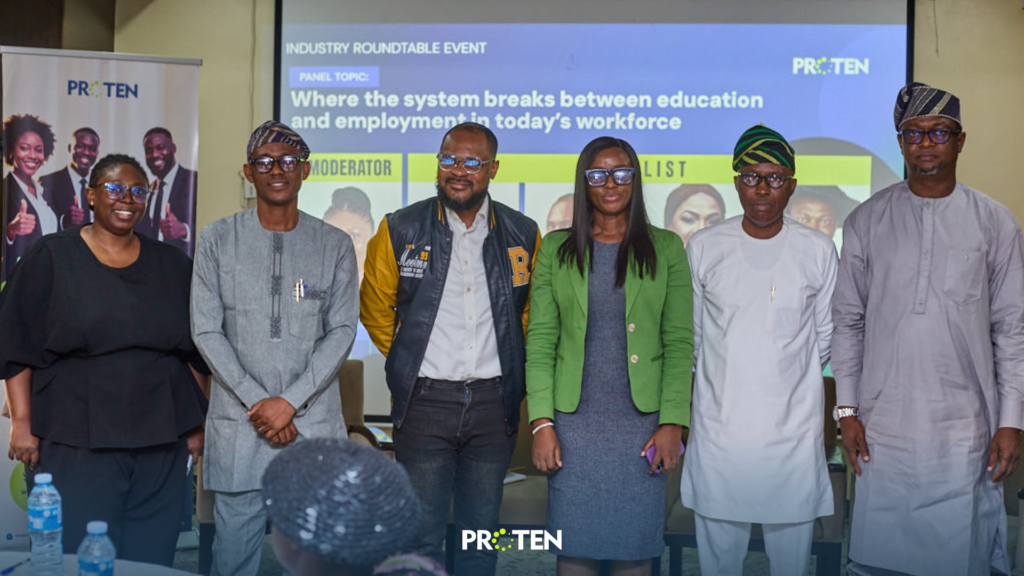
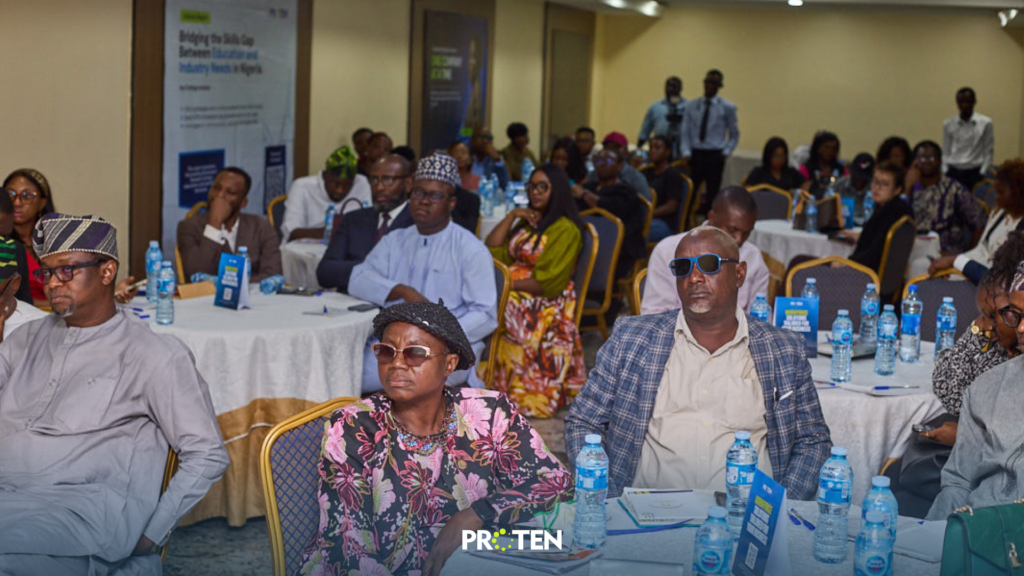
On March 26, 2025, we convened senior leaders from industry, academia, and government for an executive roundtable in Lagos. The conversation was frank, the data was sobering, and the recommendations were clear.
Here is what came out of the room.
Who Was in the Room

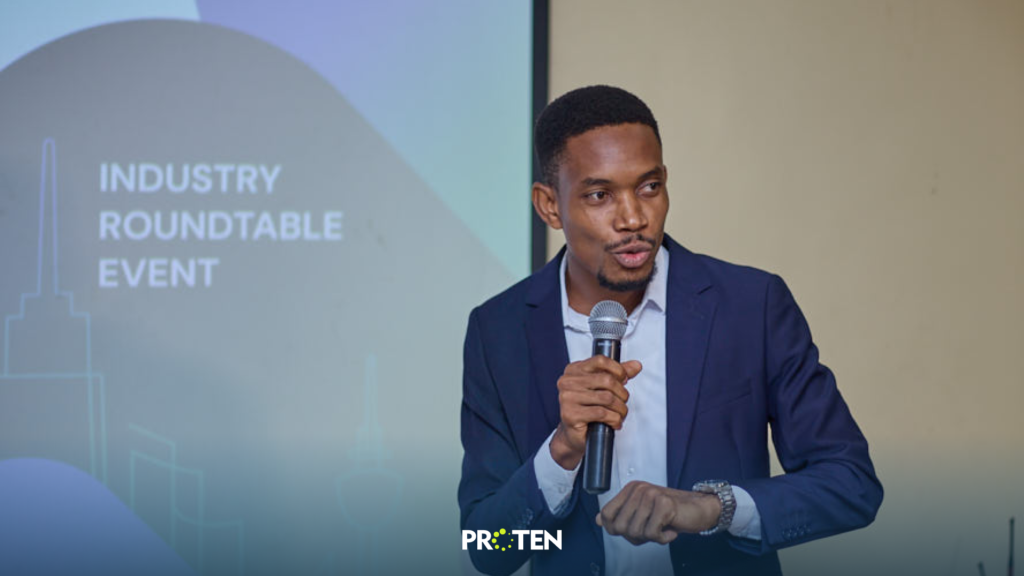
In attendance were representatives from the Lagos State Ministry of Innovation, Science & Technology, and the Ministry of Establishment and Training; keynote speaker Dr. Jumoke Aleoke-Malachi (Senior HRBP); panelists Harry Enaholo (Co-Founder & CEO, Treford Africa) and Prof. Oluremi Olaleye (Former Rector, Lagos State Polytechnic); moderated by Yetunde Odunsi (CEO, NoaCare) alongside business owners, HR professionals, educators, and entrepreneurs from across Lagos.
6 Key Insights from the Roundtable
1. The gap is real, and the data backs it up
Only 42% of Nigerian graduates work in a field related to their studies. 60–70% of employers report that graduates lack the skills needed for employment, and 80–90% prefer to hire experienced workers over fresh graduates. As our keynote speaker put it:
“The issue is not job scarcity. It is the disconnect between preparation and expectation.” — Dr. Jumoke Aleoke-Malachi, Senior HRBP
2. Universities were never designed to make you job-ready, but they still need to do better
The roundtable challenged the assumption that universities alone are responsible for workforce readiness. However, panelists were clear that overcrowded classrooms, outdated curricula, and lecturers without industry experience are making a bad situation significantly worse. Class sizes have grown from 27 students in the 1980s to over 320 today. Employer input currently makes up just 4% of curriculum development. That number alone tells the story.
3. Soft skills are the biggest missing ingredient
Across every perspective one theme dominated: technical knowledge is no longer enough. Emotional intelligence, communication, problem-solving, and the ability to learn quickly are what employers are actually hiring for. Yet these are precisely the skills most consistently absent in fresh graduates entering the workforce.


4. Collaboration is not optional, it is critical
The private sector cannot keep expecting universities to produce perfect graduates, and universities cannot keep designing curricula without employer input. A clear call was made for joint curriculum design, structured internship frameworks, industry-funded research, and continuous feedback loops between educators and employers. As one panelist stated plainly:
“Collaboration is not a choice. It is compulsory.” — Mr. Bamidele Balogun, Representative, Ministry of Establishment and Training
5. NYSC is a national asset we are not using well enough
Multiple speakers identified the National Youth Service Corps as a one-year opportunity currently being wasted on civic activities disconnected from graduates’ fields of study. One year in a graduate’s life is significant. A reformed, field-aligned NYSC placement system could function as a genuine national bridge programme between education and employment but only if we are willing to redesign it with that purpose in mind.
6. The change starts earlier than we think
Waiting until graduation is too late. Speakers pointed to China, where children begin learning AI and robotics at age six, while most Nigerians start acquiring relevant tech skills in their twenties. That generational lag is not a minor inconvenience but a structural disadvantage. Programmes like Proten International’s Yes I Can and Proten Gems represent the kind of early, targeted intervention that can shift outcomes at scale.
What the Room Agreed Must Happen Next
The roundtable produced eight clear recommendations spanning every stakeholder in this conversation:
- Private sector organisations must collectively document and communicate their skill requirements to regulatory bodies (the NUC, NBTE, and NCCE) so that those needs are reflected in curriculum design.
- The government should mandate or incentivise structured 3-to-6-month bridge training programmes for fresh graduates, modelled on the medical housemanship system.
- The NYSC scheme must be reformed to ensure field-aligned placements that deliver genuine practical experience.
- Curriculum reform must include a train-the-trainers component by upskilling lecturers before new curricula are introduced.
- Industry should fund university research programmes, as is standard in advanced economies, creating commercially relevant research and job-ready graduates simultaneously.
- Employability orientation must be embedded in secondary school, not introduced at the university level or after.
- Government, private sector, and academia must establish continuous feedback loops, reviewing collaborative outcomes every six months and adjusting accordingly.
- Technology skills including AI literacy and digital tools, must be embedded in school curricula from the primary level, closing the generational gap before it widens further.
The Goal Now Is Action
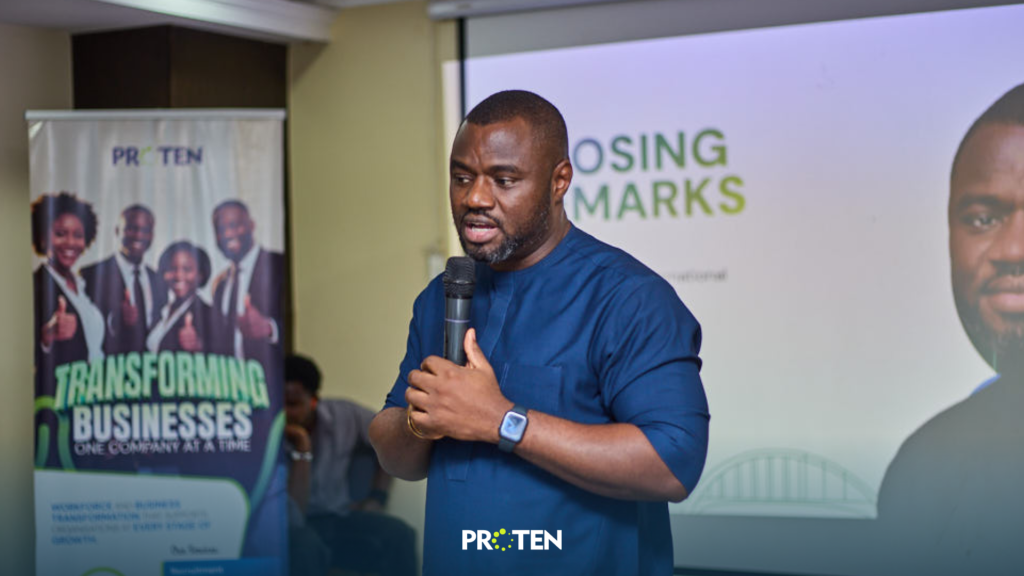
The conversation was rich, honest, and at times uncomfortable, exactly the kind of dialogue Nigeria’s workforce challenge demands. But insights without accountability are just conversation. The goal now is action.
The full data, findings, and recommendations from the roundtable are compiled in the Proten International Skills Gap Report. If you are an employer, educator, policymaker, or professional navigating this landscape, this report was written for you.
Download the full Skills Gap Report here
At Proten International, bridging this gap is not just a conversation; it is our commitment. Through initiatives like Yes I Can and Proten Gems, we are already doing the work. If you would like to partner with us and extend this impact, we would love to hear from you.